India in August Travel Guide
India in August Travel Guide: Weather, Best Places to Visit & Travel Tips
Introduction
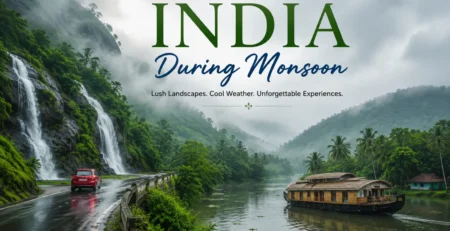
August sits right in the middle of India’s monsoon season, which makes it one of the most misunderstood months to travel. Skip the wrong region and you’ll spend your trip dodging rain, pick the right one, and you’ll get some of India’s most spectacular scenery, major festivals, and a fraction of the usual tourist crowds. This guide breaks down exactly what to expect region by region, where to go, what to pack, and how to plan your tourist visa to India around it.
Is August a Good Time to Visit India?
It depends entirely on where you’re headed. August is peak monsoon in most of the country, meaning heavy rainfall, high humidity, and a real chance of transport delays in cities like Mumbai, Delhi, and across the Northeast. But it’s also peak season in the Himalayan rain-shadow regions, Ladakh and Spiti Valley are drier and more accessible in August than almost any other month. If you’re chasing lush green landscapes and don’t mind rain, August rewards you. If you want dry, clear skies, head to the mountains rather than the coasts or plains.
India Weather by Region in August
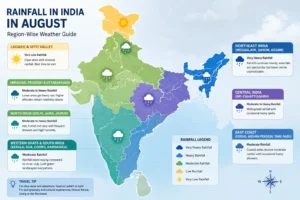
| Region | Weather in August | Rainfall Level | Notes |
|---|---|---|---|
| Delhi, Agra, Jaipur (North) | Hot, humid, intermittent rain | Moderate | Rain cools things slightly from peak summer heat |
| Mumbai & Maharashtra | Heavy monsoon rain | Very High | Flooding possible; plan flexible days |
| Kerala & South India | Rain easing from July peak | High | Backwaters and hills at their greenest |
| Goa | Rain tapering off | Moderate–High | Later August is noticeably calmer than June/July |
| Coorg & Western Ghats | Heavy rain, waterfalls in flow | Very High | Best month for waterfall photography |
| Meghalaya & Northeast | Heaviest rainfall in the country | Extreme | Living root bridges, but road disruptions common |
| Ladakh & Spiti Valley | Dry, mild, clear skies | Very Low | Peak season, rain shadow of the Himalayas |
| Himachal & Uttarakhand | Mixed, valleys wet, high passes drier | Moderate–High | Landslide risk in lower valleys |
India in August at a Glance
- Best for: Ladakh, Spiti Valley, waterfall chasing, Onam festival travel, budget travel
- Avoid if possible: Mumbai city sightseeing, Northeast road trips, Himalayan trekking below high-altitude passes
- Average temperatures: 25–35°C across most of the plains; 10–20°C in Ladakh/Spiti; cooler in hill stations
- Crowd levels: Low to moderate, one of the quieter months for international tourism
- Price levels: Among the most budget-friendly months for flights and hotels
- Key festivals: Independence Day, Onam, Raksha Bandhan
Best Places to Visit in August (Expanded Destination Guides)
1. Ladakh
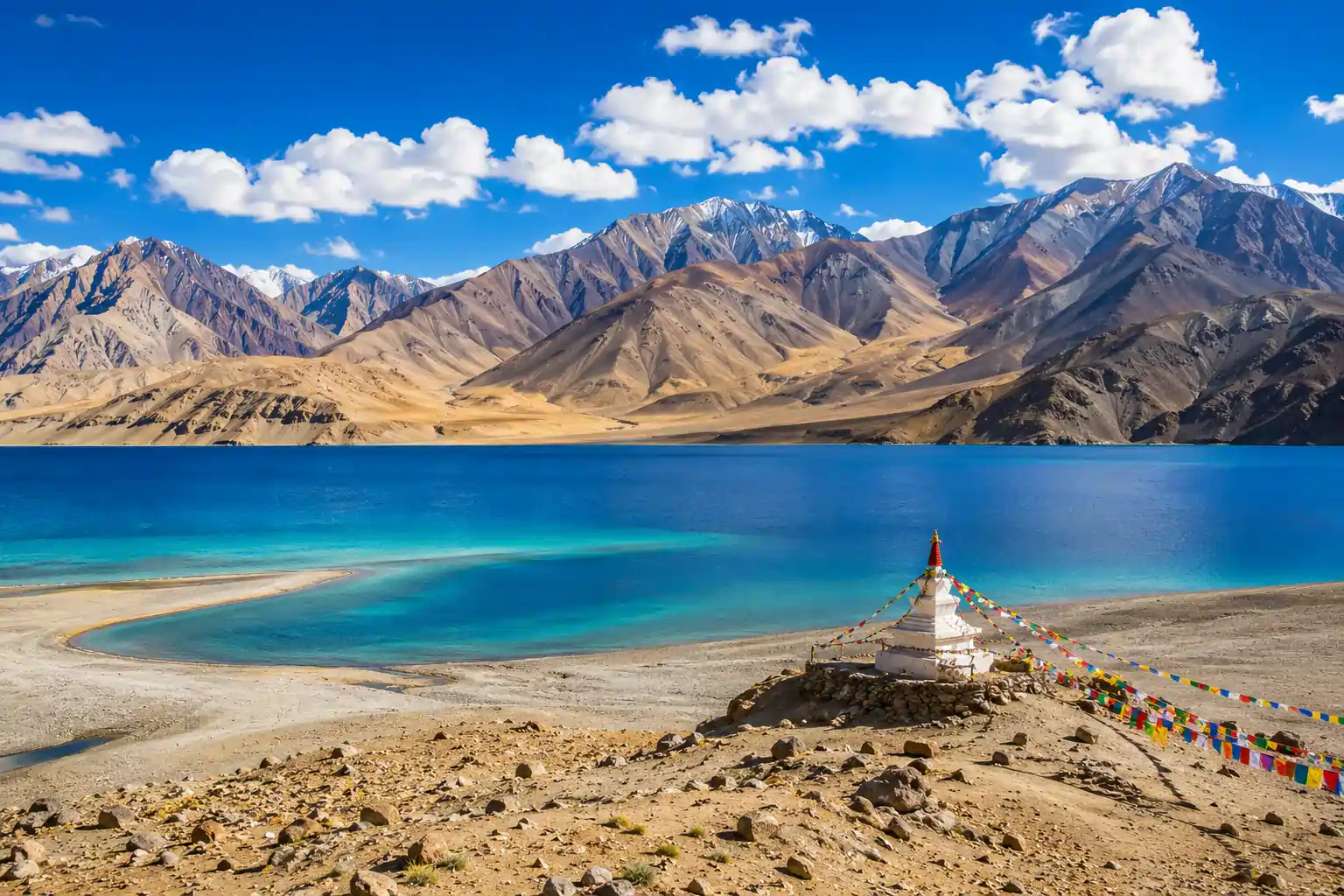
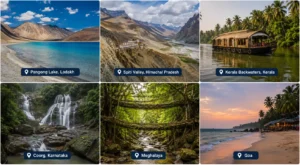
August is arguably the single best month for Ladakh. The Manali-Leh and Srinagar-Leh highways are fully open, days are mild and mostly dry, and the region’s rain-shadow position means monsoon barely touches it. This is peak season for Pangong Lake, Nubra Valley, and monastery visits, book accommodation ahead, as it’s also peak season for other travelers.
2. Spiti Valley
Similar advantage to Ladakh, stark, high-altitude desert landscapes, clear skies, and dramatically fewer crowds than Ladakh itself. Roads can still be affected by landslides in the approach through Himachal, so build in buffer time for the journey there.
3. Kerala
By August, Kerala’s monsoon has eased slightly from its June–July peak, making backwater houseboat trips and hill station visits more comfortable. This is also when Onam festival preparations build toward the month’s end, a strong reason to visit if you want cultural immersion alongside natural scenery.
4. Coorg & the Western Ghats
Waterfalls are at their fullest, coffee estates are a deep, saturated green, and mist rolls through the hills most mornings. Expect rain most days, pack accordingly, but this is one of the most photogenic times of year here.
5. Meghalaya
Living root bridges, some of the wettest climate on Earth, and waterfalls that simply don’t exist the rest of the year. Meghalaya in August isn’t for travelers who need a dry, predictable itinerary, but it’s unforgettable for those who don’t mind adjusting plans around the weather.
6. Goa (later August)
Early August still carries heavy monsoon rain, but by the last week, things noticeably calm down. Beaches are quieter than peak season, prices are lower, and the shift toward a “shoulder season” feel starts to happen.
Festivals in August
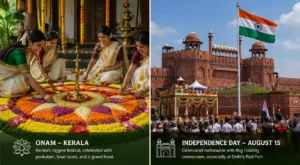
- Independence Day, August 15: Celebrated nationwide, with the flagship ceremony at Delhi’s Red Fort. Expect flag-hoisting events, cultural programs, and heightened security around major landmarks that day.
- Onam, begins August 16, Thiruvonam (main day) on August 26, 2026: Kerala’s biggest festival, marked by elaborate flower rangolis (pookalam), snake boat races, classical dance performances, and the grand Onam Sadhya feast. If you’re in Kerala during this window, it’s one of the richest cultural experiences available anywhere in India.
- Raksha Bandhan, August 28, 2026: A widely observed festival celebrating the bond between siblings, marked by the tying of a sacred thread (rakhi). It’s a family-oriented festival rather than a public spectacle, but you’ll notice markets and towns in a festive mood in the days leading up to it.
(Lunar-calendar festivals shift dates yearly, these are confirmed 2026 dates, but worth double-checking closer to travel if planning for a different year.)
Packing Checklist for India in August
- Lightweight, quick-dry clothing (moisture-wicking fabrics over cotton where possible)
- A proper rain jacket or poncho, more reliable than an umbrella in windy hill regions
- Waterproof or quick-dry footwear for wet regions; proper trekking shoes for Ladakh/Spiti
- Dry bags or waterproof pouches for phones, cameras, and documents
- A warm layer if you’re heading to Ladakh or Spiti, nights can still get cool
- Insect repellent, monsoon conditions increase mosquito activity almost everywhere except the high-altitude desert regions
- A printed copy of your eVisa approval and passport photocopies, kept separately from your originals
Suggested Itineraries
7-Day Itinerary: Ladakh Focus (Dry, Scenic Escape)
- Day 1–2: Arrive Leh, acclimatize, local monastery visits (Shanti Stupa, Leh Palace)
- Day 3: Day trip to Pangong Lake
- Day 4: Nubra Valley via Khardung La
- Day 5: Return to Leh, explore local markets
- Day 6: Alchi and Likir monasteries
- Day 7: Departure
10-Day Itinerary: Kerala & Onam Culture
- Day 1–2: Arrive Kochi, explore Fort Kochi’s colonial history
- Day 3–4: Munnar hill stations and tea plantations
- Day 5–6: Alleppey houseboat backwater cruise
- Day 7–8: Kovalam or Varkala beaches
- Day 9–10: Trivandrum, timed around Onam festivities if your dates align with Thiruvonam (Aug 26)
Travel Tips for August
- Split your route by climate, not just geography, pairing a rain-shadow region like Ladakh with a monsoon-lush region like Kerala gives you contrast without fighting weather the whole trip.
- Build buffer days into transit-heavy plans, flights and trains face more delays in August than in dry-season months.
- Check regional forecasts, not national ones, “India” weather is close to meaningless given how differently regions behave in August.
- Book Ladakh/Spiti accommodation in advance, August is peak season there, unlike almost everywhere else in the country.
- Avoid tight festival-day travel plans in Kerala or Delhi, Onam and Independence Day both bring local transport and traffic disruptions.
Indian eVisa Section
Once your route is set, sorting your travel documents is the next step. India’s e-Tourist visa is processed entirely online, so you can lock in August travel dates without an embassy visit. If your plans firm up at short notice, common when people time trips around Onam or festival dates, an India visa emergency service can process urgent applications in as little as 48–72 hours, so a late decision doesn’t cost you the trip.
FAQs
Is August a good month to visit India?
It depends on the region. August is peak monsoon for most of the country, but it’s actually the best month to visit Ladakh and Spiti Valley, which sit in the Himalayan rain shadow.
Which places have the least rain in India during August?
Ladakh and Spiti Valley see very little rainfall in August, making them the most reliable dry-weather options during monsoon season.
Is Kerala worth visiting in August?
Yes, rainfall eases slightly from the June–July peak, and Onam festival celebrations, culminating in Thiruvonam on August 26, 2026, make it a culturally rich time to visit.
What festivals happen in India in August?
Independence Day (August 15), Onam in Kerala (main day August 26, 2026), and Raksha Bandhan (August 28, 2026) all fall within the month.
Is it safe to travel to India during the monsoon in August?
Generally yes, with sensible precautions, avoiding flood-prone areas during heavy rain and building flexibility into transit plans. Delays are more likely than danger.
What should I pack for India in August?
Quick-dry clothing, a proper rain jacket, waterproof footwear, dry bags for electronics, and a warm layer if visiting Ladakh or Spiti Valley.
Are flights and hotels cheaper in India in August?
Yes, August falls within India’s monsoon off-season for most regions, so prices for flights and accommodation are typically lower than in the November–March peak season.
Can I visit Mumbai in August?
It’s possible, but August is Mumbai’s heaviest rainfall month, with flooding and transport disruption common, plan for indoor flexibility if you go.
Do I need a visa to travel to India in August?
Yes, most foreign nationals need an eVisa. India’s e-Tourist visa can be applied for online, and an emergency visa option exists for last-minute travel plans.
What’s the best region to combine with Ladakh for an August trip?
Kerala works well as a contrast, dry, high-altitude desert scenery in Ladakh paired with lush, green backwaters in Kerala gives a well-rounded sense of India’s range in a single trip.